
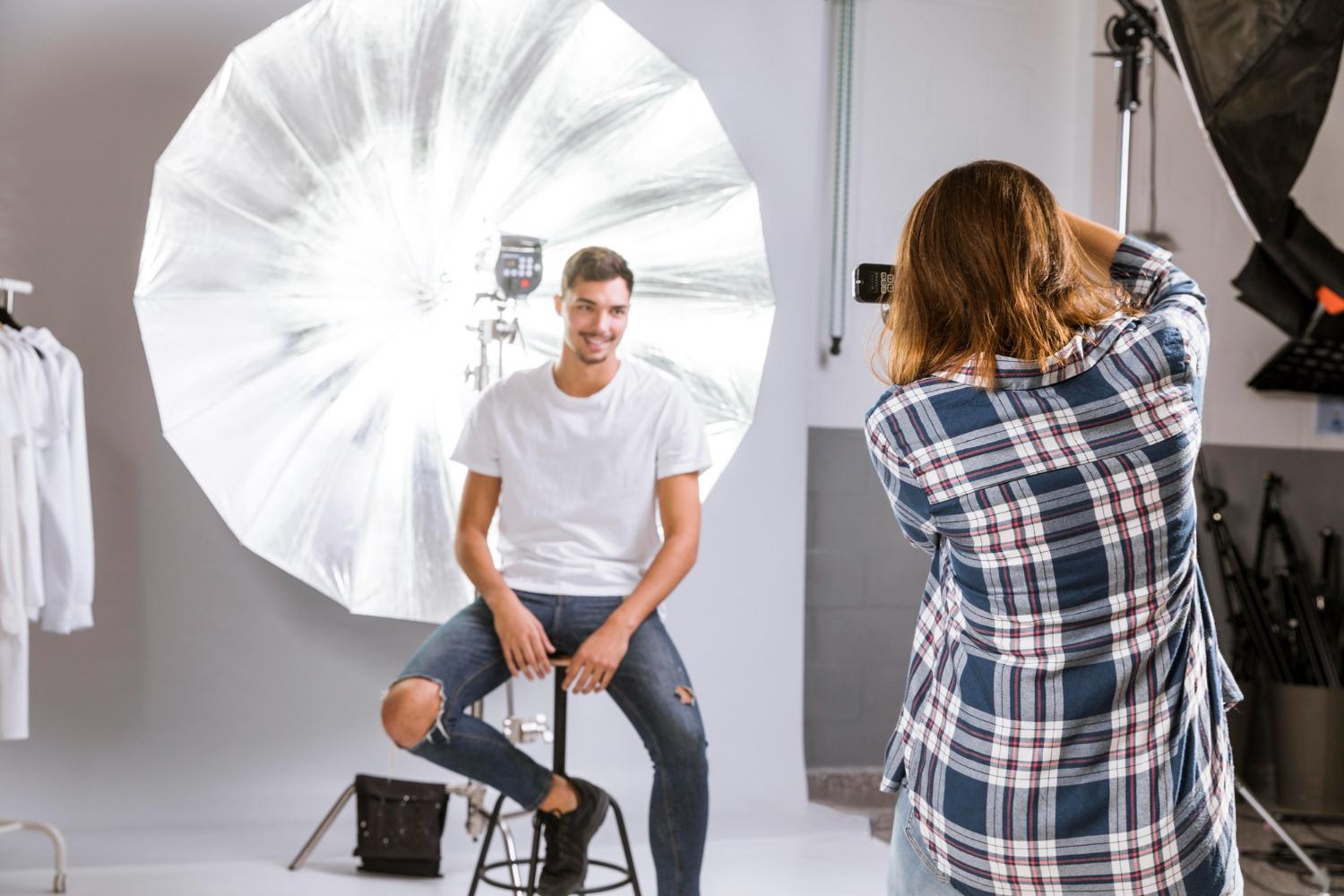
Mastering Your Studio Photoshoot: A Guide to Stunning Portraits
Capturing Souls: The Art of Studio Portraiture 📸✨
The history of studio portrait photography is a compelling story of artistry. From early daguerreotypes to modern digital images, the studio has consistently been a controlled space for capturing human essence. Initial technical challenges pushed photographers to refine their craft. This pursuit of revealing character established studio work as a unique and rewarding discipline.
Over time, understanding light, composition, and human psychology in a confined setting evolved. What began as technical necessity transformed into a sophisticated art form. Photographers learned to manipulate artificial illumination, using subtle shifts to sculpt features and evoke emotions. This marked a pivotal shift from merely recording to actively crafting a visual narrative.
Modern studio portraiture, benefiting from advanced technology, remains grounded in core principles. Meticulous control over every element—from light quality to backdrop—offers unparalleled creative freedom. This allows photographers to eliminate distractions, focusing solely on the subject. It enables images that resonate deeply, reflecting an individual's unique spirit.
Beyond technical mastery, a great studio portrait relies on building rapport. Making the subject feel at ease allows their authentic self to emerge. This human element is vital, transforming a mere photograph into a genuine representation. It offers a window into the individual’s inner world, a principle CMP Photography holds central.
Key Insights from the Lens 💡
- Mastery of light is fundamental. Understanding how light shapes features, creates mood, and adds dimension is crucial for compelling studio portraits.
- Building genuine rapport with your subject is paramount. A relaxed atmosphere allows for authentic expressions and deeper emotional connection in the final image.
- Technical precision combined with artistic vision elevates a portrait. Careful attention to focus, depth of field, and composition ensures a polished, impactful result.
Diving Deeper into Portrait Craft 🎨
The nuanced application of lighting techniques brings a studio portrait to life. Classic Rembrandt lighting adds depth; butterfly lighting accentuates features. Each setup influences mood. Experimenting allows photographers to tailor light precisely to the subject’s unique needs and desired emotional tone.
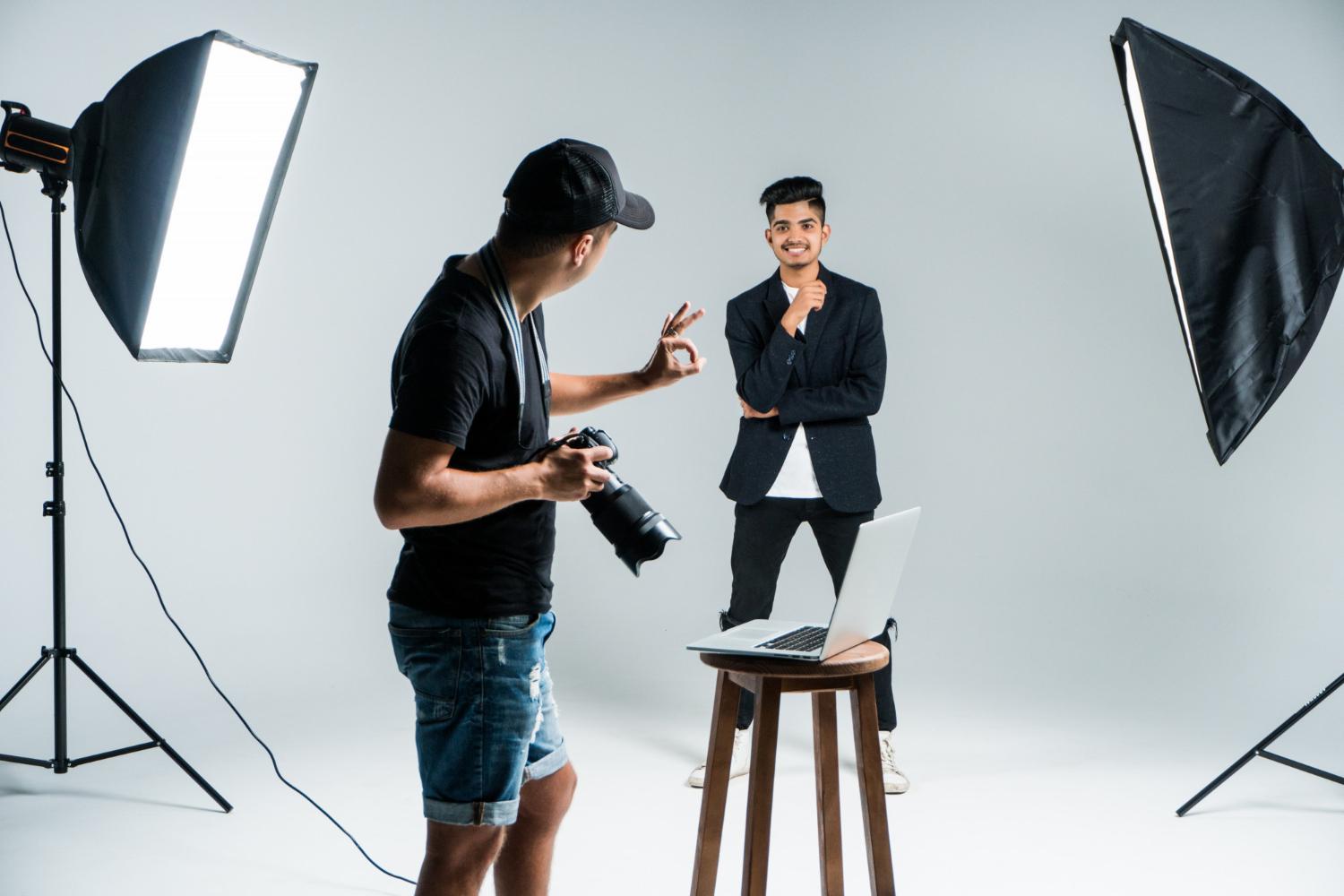
Beyond technical setups, the photographer's ability to direct and connect with the subject is an art. Posing can feel awkward. A skilled portraitist guides subjects gently, using conversation to evoke natural smiles or confident postures. This interaction transforms the photoshoot into a collaborative experience.
Lens and camera settings define the aesthetic. A prime lens, like an 85mm, produces beautiful background blur, isolating the subject. Understanding aperture, shutter speed, and ISO is essential for optimal exposure and sharpness. Details are rendered with clarity and artistic intent.
A common misconception: studio photography is solely about flawless perfection. While technical excellence is valued, memorable portraits capture raw authenticity, a fleeting expression, or a unique quirk. The challenge is balancing precision with spontaneous human emotion.
The background, often secondary, is a powerful compositional tool. A simple seamless backdrop offers a clean, distraction-free canvas. Conversely, a textured background or prop adds context. The key is ensuring the background complements the subject, maintaining visual harmony.
Pathways to Remarkable Portraits ✨
- Continuous Experimentation: Regularly practice with different lighting setups, posing, and camera angles. This builds intuition and refines your unique artistic voice for stunning outcomes.
- Focus on Connection: Prioritize making your subject comfortable and engaged. Genuine interaction fosters authentic expressions, which are the heart of any truly impactful portrait. This is a core tenet at CMP Photography.
Leave your comments